


In woodworking, furniture assembly, outdoor construction, and similar applications, screw selection directly determines connection strength, stability, and service life. Wood is soft and prone to moisture absorption and warping, while standard metal screws can loosen, corrode, or split the wood. Therefore, specialized wood screws must be chosen. Considering overall compatibility, strength, and practicality, countersunk Phillips wood screws, self-tapping wood screws, and stainless steel wood screws are used in different scenarios. Detailed explanations follow with practical examples. Sanwei Fasteners can supply these products-click the button below for more information.
Cross-recess countersunk wood screws are a fundamental choice for indoor woodworking, compatible with most hardwoods and softwoods. They are particularly suitable for applications requiring aesthetic appeal, such as furniture assembly and decorative trim fastening. Featuring a tapered countersunk head, these screws fully embed into wood when tightened, creating a flush, seamless surface. Their cross-recess design ensures even force distribution during installation and removal, minimizing the risk of stripping.
When assembling solid wood dining chairs, furniture factories initially used standard machine screws to secure legs to seats. However, these screws lacked wood-grain matching, leading to loosening and squeaking within a short timeframe. Their protruding heads also compromised aesthetics. After switching to Phillips countersunk wood screws, the screw threads tightly interlock with the wood fibers. The countersunk design also complements woodworking finishes. This ensures both connection strength and a smooth, flat seat surface. Testing confirms the chairs withstand daily sitting pressure without deformation or loosening, extending their lifespan over three times longer than standard screws.

Self-Tapping Wood Screws

Self-tapping wood screws are ideal for scenarios without pre-drilled holes, making them an efficient choice for on-site woodworking projects. They are widely used in applications such as ceiling joist fastening, log cabin construction, and wooden frame assembly. These screws feature an integrated drill bit in their heads, enabling simultaneous drilling and tapping in a single operation. Using these screws eliminates the need for additional tools during preparation, significantly boosting construction efficiency. Their higher thread density provides stronger grip, effectively preventing wood splitting.
During indoor ceiling installations, construction teams must connect wooden joists to ceiling panels. Initially, using standard wood screws required pre-drilling holes before screwing them in-a time-consuming process prone to screw loosening due to drilling size deviations. After switching to our self-tapping wood screws, workers can now operate handheld drills to secure one screw per second. The screw threads firmly lock into the wood fibers. Even under long-term stress, the ceiling shows no signs of joist shifting or sagging, with construction efficiency increasing by nearly 50%.
For outdoor woodworking applications, stainless steel wood screws should be the preferred choice. Their corrosion resistance and weather resistance far exceed those of ordinary carbon steel screws, making them ideal for structures like garden fences, outdoor gazebos, and deck flooring that remain exposed to moisture and sunlight for extended periods. Ordinary carbon steel wood screws are prone to rusting when exposed to rain and moisture outdoors. Rust can penetrate the wood, causing discoloration and decay, ultimately compromising the structural integrity of the connection.
In one residential community in China, galvanized carbon steel wood screws were initially used for outdoor fencing. Within just six months, the screws rusted, and localized blackening and decay appeared in the wood. The fence joints became loose and wobbly. After replacing them with 304 stainless steel wood screws manufactured by Sanwei, the screws showed no signs of rust even after enduring wind, rain, and temperature fluctuations, maintaining a secure bond with the wood. After three years of use, the fence structure remains stable with no need for repairs or replacements, significantly reducing long-term maintenance costs.
Special Scenarios:
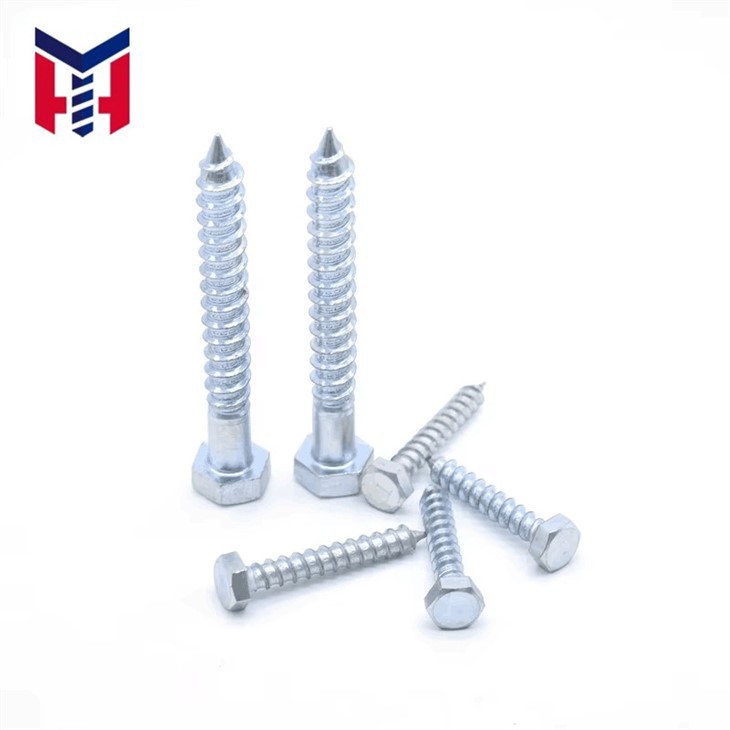
Hardwoods (such as rosewood and padauk) require fine-thread wood screws to prevent coarse-thread screws from splitting the wood during forced insertion.
Load-bearing structures (such as wooden beams and support brackets) necessitate expansion wood screws to enhance structural stability under stress.
For children's furniture, rounded-head wood screws are recommended to eliminate safety hazards posed by sharp edges.
Therefore, when selecting screws, consider the application scenario, wood type, and functional requirements. For indoor furniture and decor, choose Phillips countersunk wood screws for both aesthetics and strength. For on-site construction or scenarios without pre-drilled holes, opt for self-tapping wood screws to boost efficiency. For outdoor applications, stainless steel wood screws resist corrosion. Additionally, control tightening force during installation: lightly pre-drill pilot holes in hardwoods, and avoid excessive pressure in softwoods. This maximizes fastener performance, ensuring durable and stable woodworking projects.
If you need to purchase or customize fasteners for your project, please contact us. We provide tailored solutions.


