


During construction, equipment maintenance, or renovation projects, the need to remove wedge anchors often arises. Widely used in concrete substrates due to their secure installation and stable load-bearing capacity, wedge anchors can cause significant issues if improper removal methods are employed. Incorrect techniques not only consume excessive labor but may also damage the concrete substrate or even create safety hazards. Many construction workers find themselves at a loss when faced with firmly installed wedge anchors. In reality, mastering the correct removal procedure and selecting appropriate tools enables efficient and safe disassembly. This article will guide you through the proper removal methods and essential precautions.
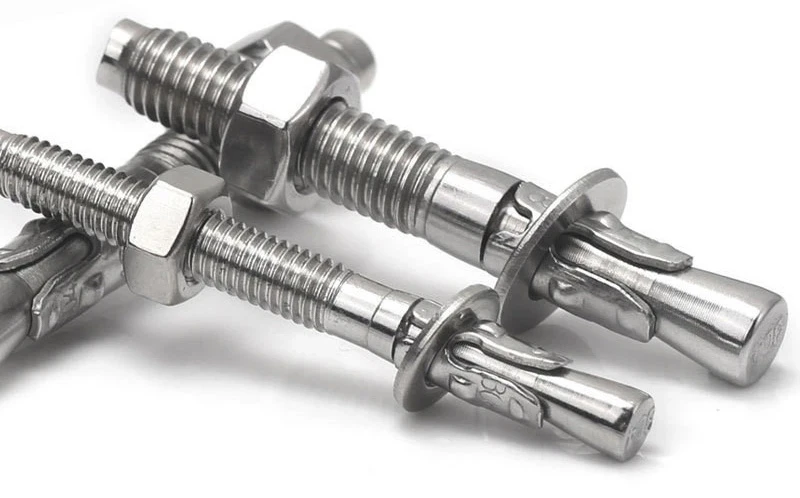
Preparatory Work
Preparations before disassembly are just as critical as those for installation. Ensure you have the appropriate tools ready, implement safety precautions, and conduct a thorough site inspection.
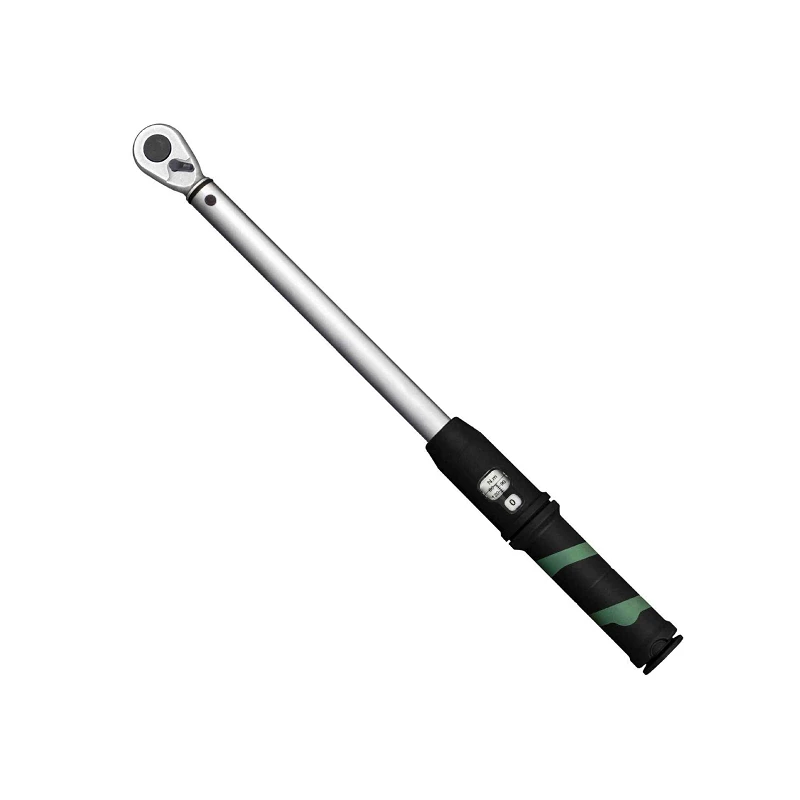
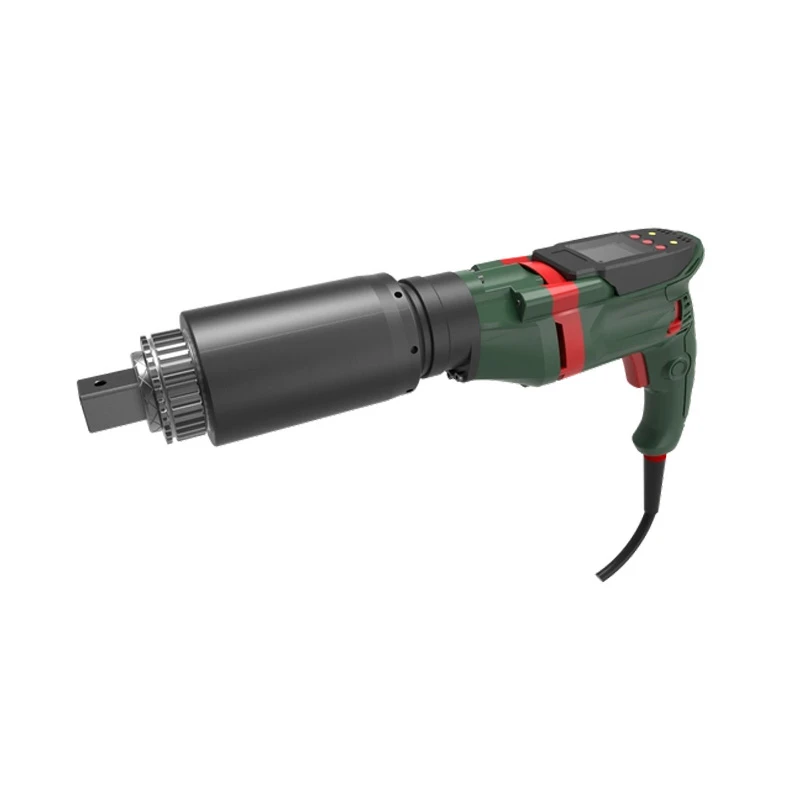
First, based on the specifications of the wedge anchors, prepare the core tools: torque wrench, impact drill, wire cutters, and hammer. If the anchors are severely corroded, also prepare rust remover or lubricant. Simultaneously, on-site personnel must wear protective gear including hard hats, safety goggles, and slip-resistant gloves. This prevents injury from flying debris or metal fragments during removal and protects hands from cuts by corroded anchors.
On-site Inspection Procedures
Prior to dismantling, conduct a thorough on-site inspection:
Confirm that all components secured by anchor bolts have been fully unloaded and are free of load-bearing stress to prevent component falls during removal.
Inspect the concrete surrounding anchor bolts for cracks, loose sections, or other damage. If deterioration is present, proceed with caution to avoid exacerbating damage during dismantling.
Removal Method
Disassembly
The operator uses a torque wrench to turn the nut at the top of the anchor bolt counterclockwise. Apply force evenly during rotation, following the principle of "loosening, then tightening, then loosening again." Avoid applying excessive force in one go, which could cause thread stripping or anchor bolt breakage. If the nut turns smoothly, it can be fully unscrewed along with the washer. Subsequently, grasp the anchor bolt head with wire cutters and gently pull it outward. During extraction, lightly shake the anchor bolt to loosen its grip on the concrete through vibration, reducing extraction resistance.
Rust removal
If the anchor bolt is severely rusted and the threads are seized, making it impossible to directly turn the nut, rust removal is necessary first. Spray rust remover or lubricant onto the connection between the nut and anchor bolt, let it sit for 5-10 minutes to allow the rust remover to fully penetrate and dissolve the rust, then attempt to turn it with a torque wrench. If it still won't budge, gently tap the top of the nut with a hammer to loosen the rust layer through vibration. Repeat this process with the rust remover until the nut can be unscrewed smoothly. During this operation, avoid using brute force to twist it off, as this can damage the threads, break the anchor bolt, and increase the difficulty of future disassembly.
Cleaning
After disassembly, perform follow-up cleaning and inspection. Use a wire brush to clean the hole left after anchor bolt removal, removing debris and rust residue. If the hole will not be reused, seal it with cement mortar to prevent foreign objects from entering and affecting the concrete structure. Simultaneously inspect the removed anchor bolts and tools. Recyclable anchor bolts should be rust-removed and maintained, while damaged tools should be repaired or replaced promptly.
Finally, a reminder about several common pitfalls:
First, removing anchor bolts without first unloading the component can cause the component to fall and injure people.
Second, using excessive force to twist corroded anchor bolts can damage threads or cause the bolts to break.
Third, rushing the removal of wedge anchors from loose substrates can cause the substrate to fracture.
By following the above procedures and selecting appropriate methods based on the actual condition of the anchor bolts, wedge anchor removal can be completed efficiently and safely, balancing construction efficiency with substrate integrity.
If you need to purchase anchor bolts or are unsure which type of fastener product to choose, please contact us. Our professional technical team will provide you with customized solutions.


